Sponsored by the Utah Office of Tourism
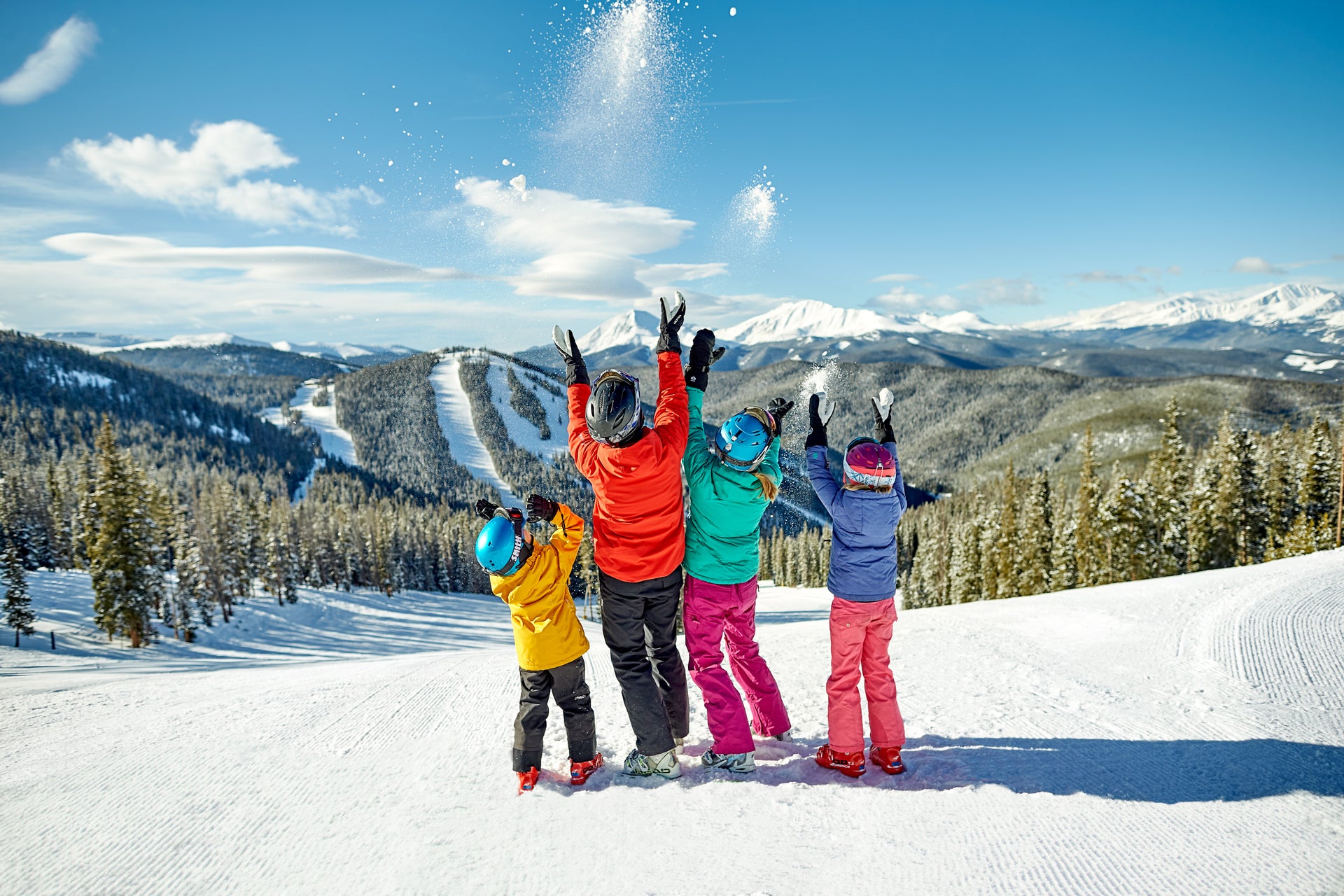
There’s no ski destination in the world quite like Utah, which is home to The Greatest Snow on Earth®. Utah averages a staggering 500 inches of light, fluffy snow that is the stuff of skiers’ and snowboarders’ dreams. Combine that with 15 world-class ski resorts, legendary terrain, and a Winter Olympic legacy—host of the 2002 Winter Olympic Games and preparing for the 2034 Winter Olympics—and it becomes clear why Utah is a ski destination that can’t be matched. Use our guide to plan the perfect Utah ski trip.
What Makes The Greatest Snow on Earth So Great
There’s actually science behind what makes Utah’s snow The Greatest Snow on Earth. A unique combination of climate conditions over Utah’s Wasatch Range is what ultimately makes Utah one of America’s snowiest destinations and delivers a powder skiing experience that’s like no other place. As storms roll into Utah from the northwest, warm, moist air is closely followed by cold air. It begins with heavy snow before colder, lighter snow layers on top, giving the terrain a bottomless feel to ski and ride through. All these conditions, plus Utah’s high altitude and low humidity, make for an unrivaled powder skiing experience.
Which Resort Is Right for You
For powder hounds and those looking for some of the Wasatch’s most epic terrain, look no further than the Cottonwood Canyons ski resorts, which on average see more than 500 inches of annual snowfall. They consist of Alta, a skier-only steep and deep powder playground; Snowbird, famous for its dramatic high-alpine terrain, iconic Aerial Tram, and Utah’s only permitted heli-skiing operation; Solitude, a locals’ favorite for its uncrowded, varied slopes and charming European-style village; and Brighton, Utah’s first ski resort, celebrated for its tree skiing, backcountry access, and night skiing.
The Cottonwood Canyons are among Utah’s most popular ski resorts after a big snow dump, so plan accordingly and give yourself extra time when going on weekends and powder days. Visit midweek for less traffic and fewer lift lines and lunch lines.



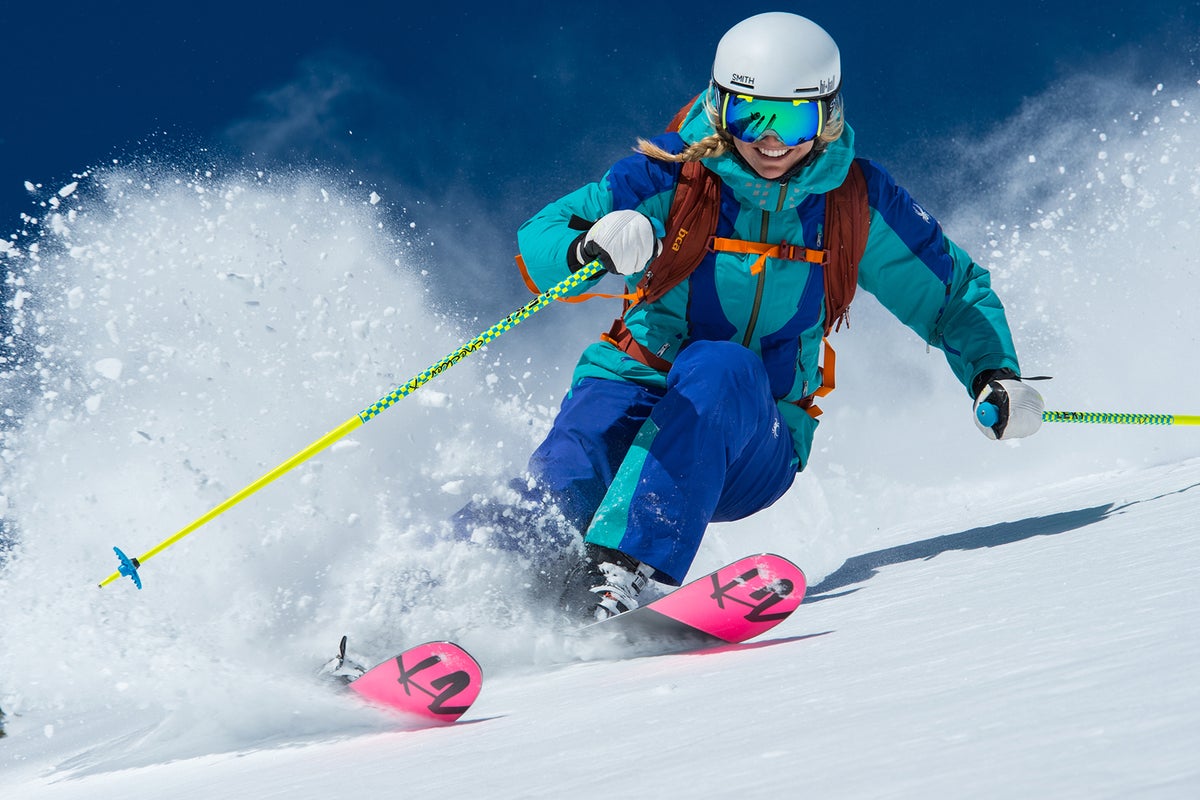
Park City, 30 miles east of Salt Lake City, is perfect for a classic mountain town experience, since it’s home to three ski resorts. Park City Mountain is the largest lift-served ski resort in the U.S., offering 7,300 acres of skiable terrain, more than 40 lifts, and an astounding 340-plus named runs. Across town, the skier-only Deer Valley is widely acclaimed for its luxury amenities, five-star service, and meticulously groomed slopes. A historic expansion has recently doubled the size of Deer Valley. Do you live for jumps, jibs, and rails? Then don’t miss Woodward Park City, a state-of-the-art action sports mountain center with several lift-served terrain parks.
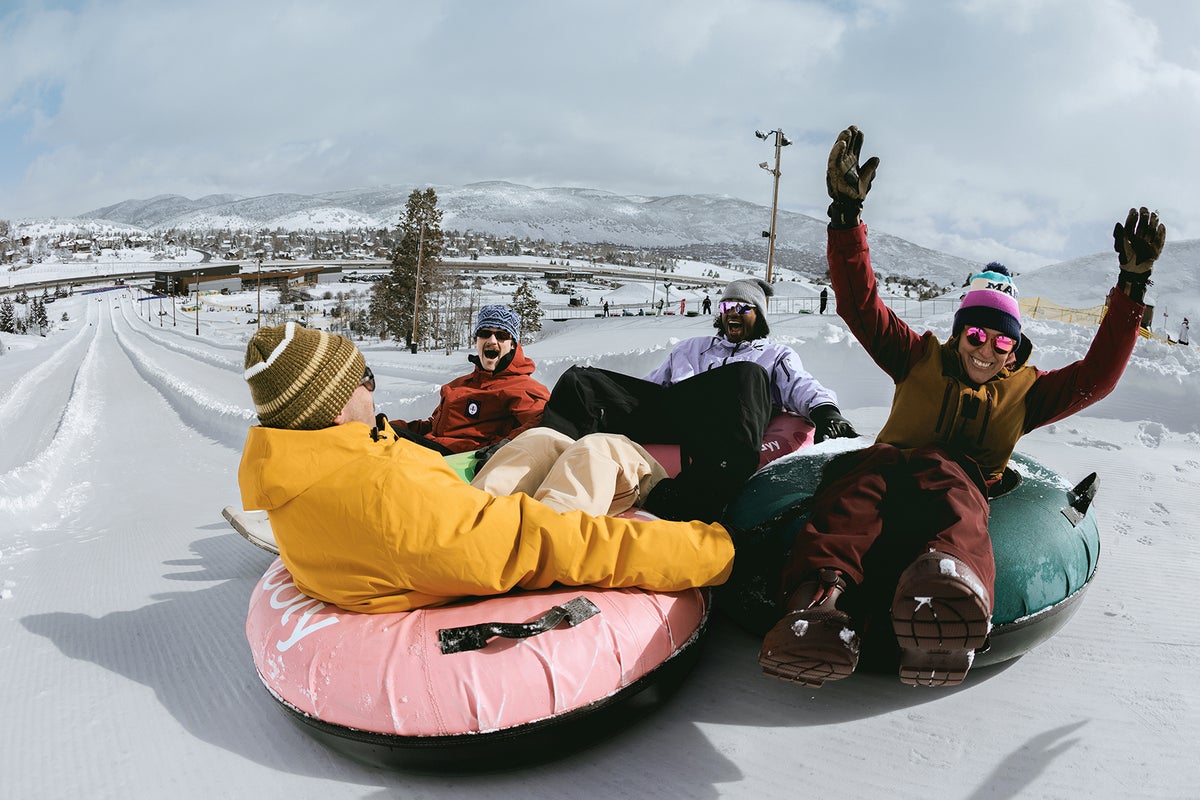
Park City is also a preeminent winter destination for families and those who don’t ski. Both Park City Mountain and Deer Valley are full of amazing adventures off the slopes, such as scenic gondola rides, ice skating, snowmobiling, and horse-drawn sleigh rides, while Woodward has an indoor hub with trampolines, skateparks, and more. After a full day of adventures, travelers can unwind with après along Park City’s historic Main Street.
The historic town of Ogden, which is 35 miles north of Salt Lake City, is a great base for those looking for more variety and a less crowded experience. Here, guests are 30 minutes from three distinct Utah ski resorts—Powder Mountain, Snowbasin, and Nordic Valley. Snowbasin is well-regarded for its Olympic downhill runs and elevated vibe, Nordic Valley is known for its smaller, more affordable experience, and Powder Mountain boasts 5,000-plus skiable acres of uncrowded runs.
For those skiers and riders who want something that’s a little more off-the-beaten-path, Southern Utah’s Brian Head, less than an hour from Cedar City Regional Airport (CDC), boasts the highest base elevation among Utah’s ski resorts (9,600’) and affords the unique experience of skiing to the backdrop of snow-covered red rock hoodoos. In Northern Utah, two family-owned ski areas, Beaver Mountain and Cherry Peak, offer a fun, low-key, family-friendly Utah ski experience. Don’t sleep on these two ski areas, which though smaller than most of Utah’s other ski resorts, see plenty of snow and attract a local crowd with their uncrowded slopes and no lift lines.
Finally, just an hour southeast of Salt Lake City, is the extraordinary mountain playground of Sundance, which was created by Robert Redford. Set to the backdrop of Mt. Timpanogos, Sundance Mountain Resort offers an incredible selection of winter adventures, including skiing and riding on 540 acres, night skiing, cross-country skiing, snowshoeing, year-round fly fishing, and winter ziplining.
Travel Midweek for Peak Conditions
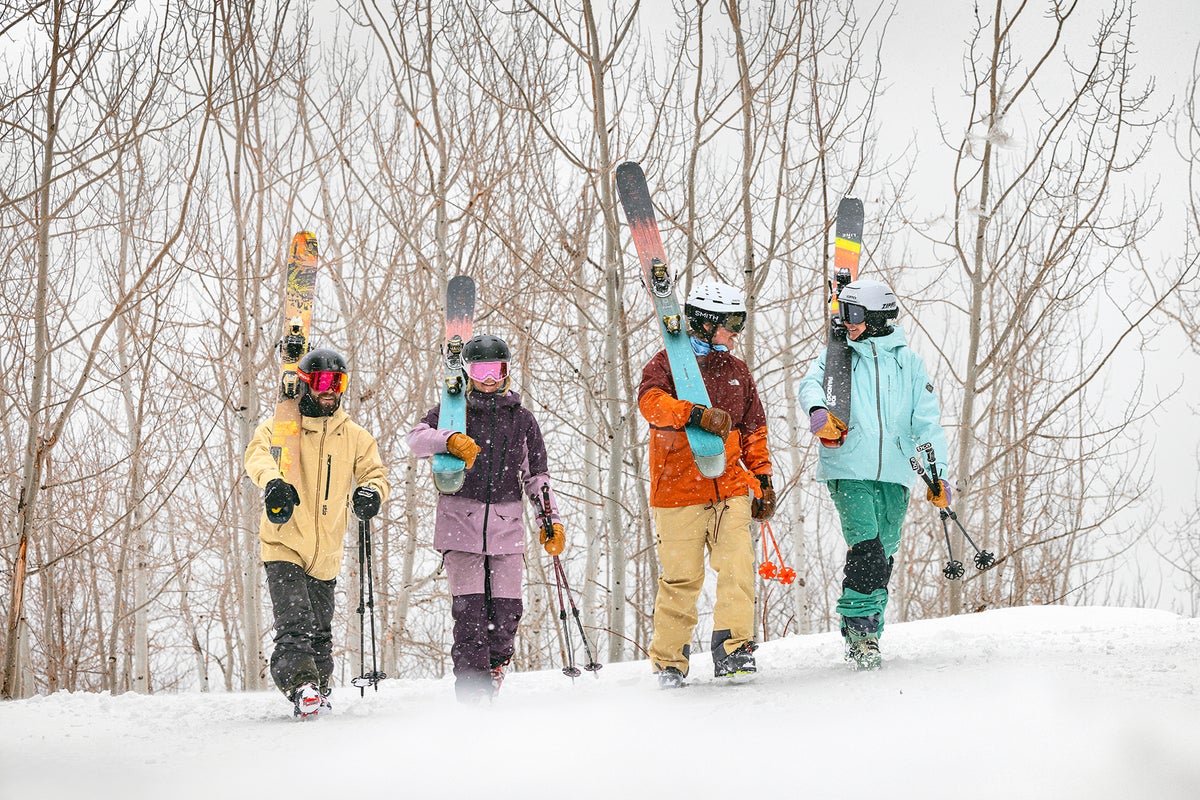
Weekends, and particularly powder weekends, will see heavy traffic and crowded slopes, especially at the Cottonwood Canyons and Park City ski resorts. Therefore, ski midweek, and after 1 p.m. on weekends, when crowds are fewer, there’s less traffic, and there’s more parking available. Midweek is also when you’ll save the most on lodging.

Know Before You Go
- Stay slopeside at ski resorts. Cut out the drive or having to figure out transportation options by booking ski-in/ski-out accommodations that are available at many Utah ski resorts.
- Carpool or take the bus. Help cut down on traffic, and save money on gas and parking, by carpooling or taking the bus. The Utah Transit Authority Ski Bus provides service to numerous resorts, including Snowbasin, Powder Mountain, Solitude, Brighton, Snowbird, Alta, and Sundance. In Park City travelers can easily get around on foot or by taking advantage of the town’s free bus system.
- Max out your multi-resort ski pass. Pass holders of the Ikon Pass, Epic Pass, and The Mountain Collective can enjoy access to numerous Utah resorts. If you want to visit every one of Utah’s resorts, then check out the Ski Utah Yeti Pass, featuring one day each at 14 Utah ski resorts.
- Monitor traffic, road conditions, and resort openings/closures. Roads to resorts may close due to unsafe driving conditions, natural avalanches, or avalanche mitigation efforts. Plan your trip accordingly. Check current conditions—weather, traffic reports, snow reports—often.
- What to pack. While Utah averages more than 200 days of sunshine each year, the weather can change quickly, especially during the heart of winter. The weather at higher elevations in particular can be drastically different than the weather at the base village. Plan on layering up and consider bringing a small backpack that you can toss layers in as you shed them.